
Dr. Farid Zarif
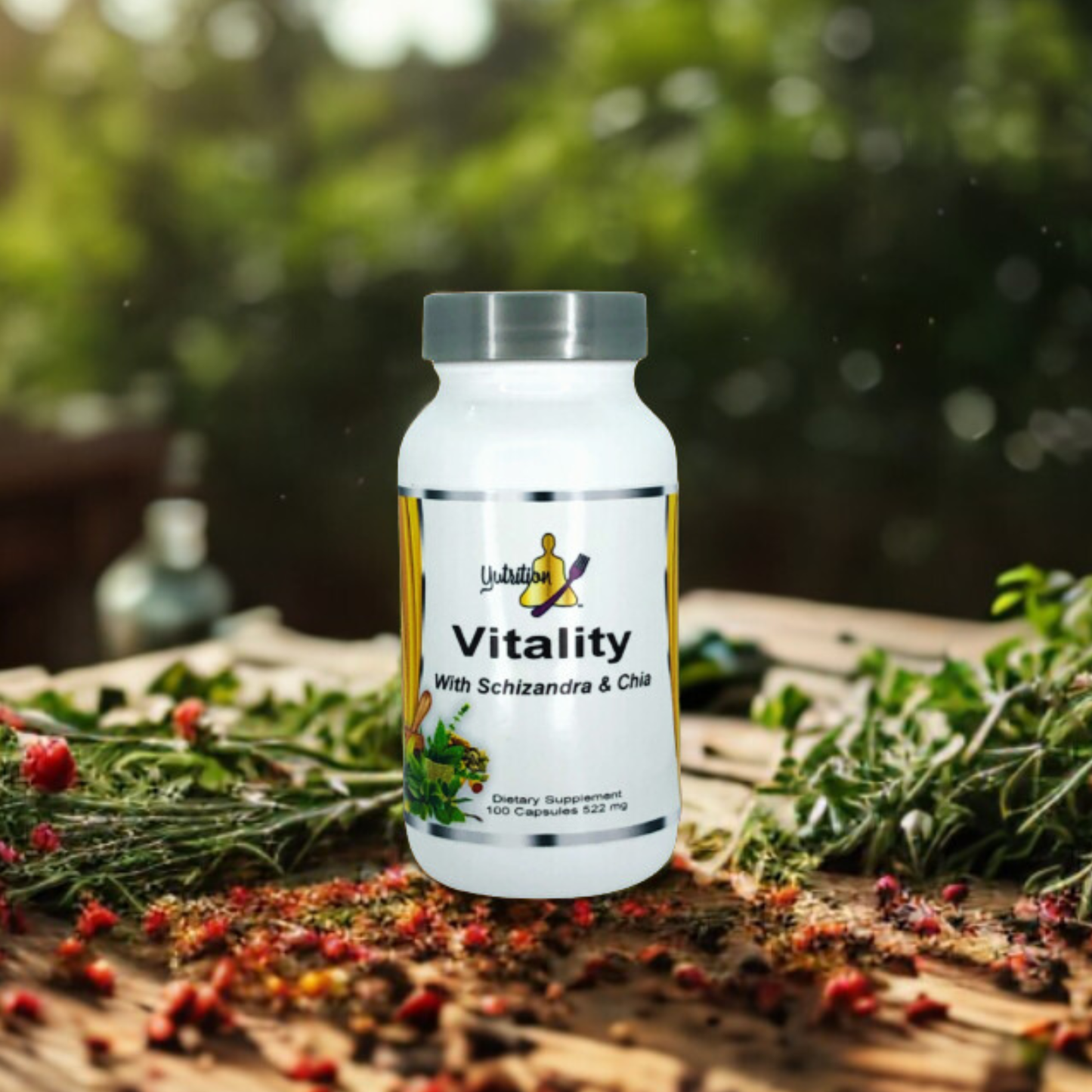
Vitality
Couldn't load pickup availability
- Traditional Use: Known as Siberian Ginseng or Eleuthero, this herb has a long history of use in traditional practices in China and Russia, valued for its potential to support overall wellness.
- Key Components: Eleuthero contains naturally occurring compounds, including vitamins, minerals, and antioxidants, which contribute to its inclusion in both traditional and contemporary wellness routines.
- Adaptogen Properties: As an adaptogen, Eleuthero is often included in supplements designed to help the body adapt to various stressors and maintain balance.
- Energy and Vitality: Eleuthero is being studied for its role in supporting energy levels and vitality, making it a popular choice in herbal supplements.
- Central Nervous System Support: Research also explores Eleuthero’s potential to support the central nervous system, contributing to its reputation as a versatile herb for promoting overall well-being.
Green Coffee Bean: A Natural Source of Energy Support
-
Plant Profile:
Green coffee beans are unroasted coffee beans grown in mountainous regions. They are valued for their unique composition, particularly their content of chlorogenic acid, a compound that plays a role in energy metabolism. -
Chlorogenic Acid and Energy Metabolism:
Chlorogenic acid is known for its stimulant-like properties, though it is milder than caffeine itself. It is studied for its potential role in supporting metabolic processes, specifically the conversion of food and stored energy into usable energy for the body. This makes green coffee bean a popular choice for those seeking a gentler alternative to caffeine. -
Antioxidant-Rich Composition:
Green coffee beans are a source of several beneficial compounds, including caffeoyl derivatives, saponins, and polyphenols. Caffeoyl derivatives are thought to contribute to the antioxidant profile of green coffee beans, helping to neutralize free radicals. Saponins are associated with supporting a healthy immune system. Polyphenols, widely recognized antioxidants, are linked to supporting overall health and well-being.
Bitter Orange: A Versatile Herb with a Range of Applications
-
Origins and Cultivation:
Bitter orange (Citrus aurantium), also known as Seville orange, is a citrus fruit originally native to Southeast Asia. Its cultivation has since expanded to regions such as Latin America, the Caribbean, Europe, and parts of Africa due to its diverse uses. -
Traditional and Modern Uses:
Historically, bitter orange has been valued for its flavor and aromatic qualities. Today, it is commonly included in herbal supplements for various purposes, including weight management, athletic performance, and appetite support. It is also widely used in culinary recipes, skin care formulations, and even perfumery. -
Key Active Compounds:
Bitter orange contains bioactive compounds such as protoalkaloids. Protoalkaloids compounds are studied for their role in supporting energy-related processes. -
Supplement Applications:
The extracts from bitter orange are often included in dietary supplements that aim to support balanced energy and metabolic health. Its potential to promote overall vitality has made it a sought-after ingredient in the health and wellness industry. While further research is ongoing, bitter orange remains a popular choice for its versatility and functionality.
Glutamic Acid: Supporting Cellular Function
-
A Building Block for Proteins:
Glutamic acid is a non-essential amino acid that plays a crucial role in forming proteins, which are vital for energy production and cellular health. -
Precursor to Glutamate:
In the body, glutamic acid converts to glutamate, a key neurotransmitter that supports the communication between nerve cells, aiding in the regulation of energy-related processes. -
Supports Energy Production:
As a participant in the Krebs cycle (also known as the citric acid cycle), glutamic acid contributes to the production of adenosine triphosphate (ATP), the primary energy molecule used by cells. -
Central Nervous System Support:
Glutamic acid’s role in the production of neurotransmitters aids in maintaining focus and mental clarity, which are essential for sustaining energy and productivity. -
Nutritional Support:
Included in many dietary supplements, glutamic acid works alongside other amino acids and nutrients to support overall energy metabolism and cellular function.
The information provided above is for educational purposes only and does not pertain to the performance or intended use of any specific products featured on this website.
*These statements have not been evaluated by the Food and Drug Administration. This product is not intended to diagnose, treat, cure, or prevent any disease.