
Dr. Farid Zarif
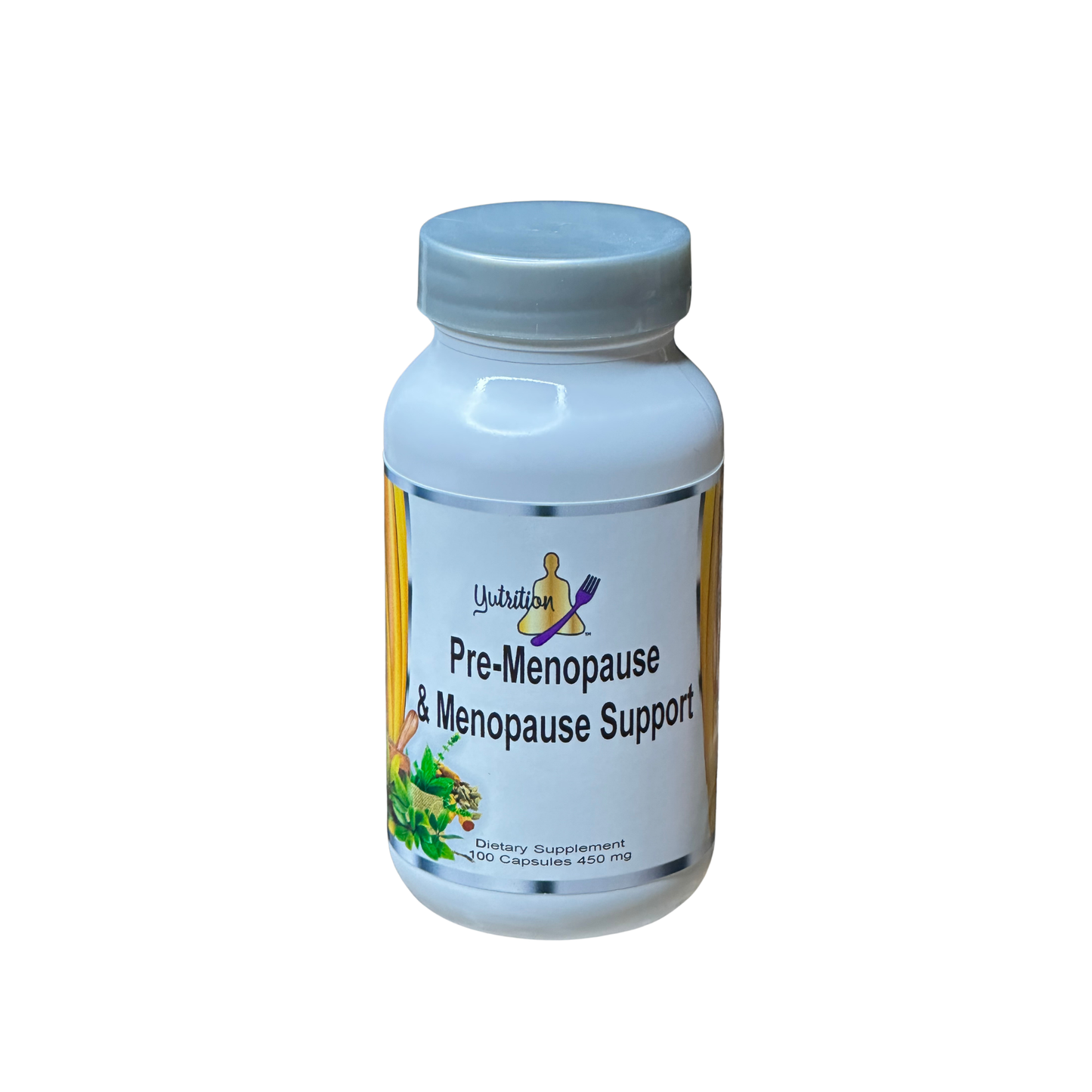
Pre Menopause and Menopause Support
Couldn't load pickup availability
-
Cultural Significance: Horny Goat Weed, known as "Yin Yang Huo" in Chinese, has been traditionally used in Asian cultures for centuries. It is valued for its role in supporting balance and vitality, often associated with promoting a sense of internal warmth and strength.
-
Traditional Uses: Historically classified as a "yang tonic" in traditional practices, it has been believed to support energy and overall wellness by focusing on internal systems, particularly during times of need.
-
Supplemental Use: Horny Goat Weed is derived from the leaves of the plant and is commonly consumed as an herbal supplement. It contains naturally occurring phytoestrogens, plant-based compounds that mimic estrogen. These compounds are often discussed for their potential role in supporting women's wellness, especially during perimenopause and postmenopause.
-
Botanical Profile: Horny Goat Weed’s active compounds are being studied for their ability to support various aspects of women’s health, contributing to its popularity in modern wellness regimens. It remains a frequently included ingredient in supplements focused on maintaining balance and vitality.
-
Maca Root
-
Native Origin: Maca (Lepidium meyenii), often referred to as "Peruvian Ginseng," is native to the Andes Mountains of Peru. It thrives in extreme conditions at elevations above 13,000 feet, making it a unique addition to traditional practices.
-
Nutritional Profile: Maca is considered a root vegetable and is related to broccoli and cauliflower. It is consumed as a food and used in herbal supplements. The root is the primary edible part of the plant, valued for its versatility and nutrient content.
-
Active Components: Maca contains flavonoids, polysaccharides, polyphenols, macaenes, macamides, glucosinolates, and alkaloids. These compounds are studied for their potential roles in overall well-being and adaptability, leading to Maca’s categorization by some herbalists as an adaptogen.
-
Traditional Use: With its rich history and unique nutrient composition, Maca is often included in herbal supplements to support general health and balance, contributing to its reputation as a wellness enhancer.
-
Wild Yam (Dioscorea villosa)
- Native Habitat: Wild Yam is a vine-like plant native to North America, commonly referred to by names such as "colic-root", American yam, and four-leaf yam.
- Diosgenin Content: The roots of Wild Yam contain a naturally occurring compound called diosgenin, a plant-derived substance studied for its role in producing various plant-based phytosteroids.
- Phytosteroid Properties: Diosgenin is categorized as a phytosteroid, structurally similar to certain hormones found in the human body. This has led to its inclusion in herbal supplements traditionally associated with women's wellness.
- Tradition and Modern Research: Wild Yam has been historically used in traditional practices, and modern research continues to explore its potential role in supporting hormonal balance and overall health.
- Versatile Applications: Wild Yam’s nutrient-rich profile has made it a popular choice in wellness routines designed to promote a sense of balance and well-being.
The information provided above is for educational purposes only and does not pertain to the performance or intended use of any specific products featured on this website.
*These statements have not been evaluated by the Food and Drug Administration. This product is not intended to diagnose, treat, cure, or prevent any disease.
-