
Dr. Farid Zarif
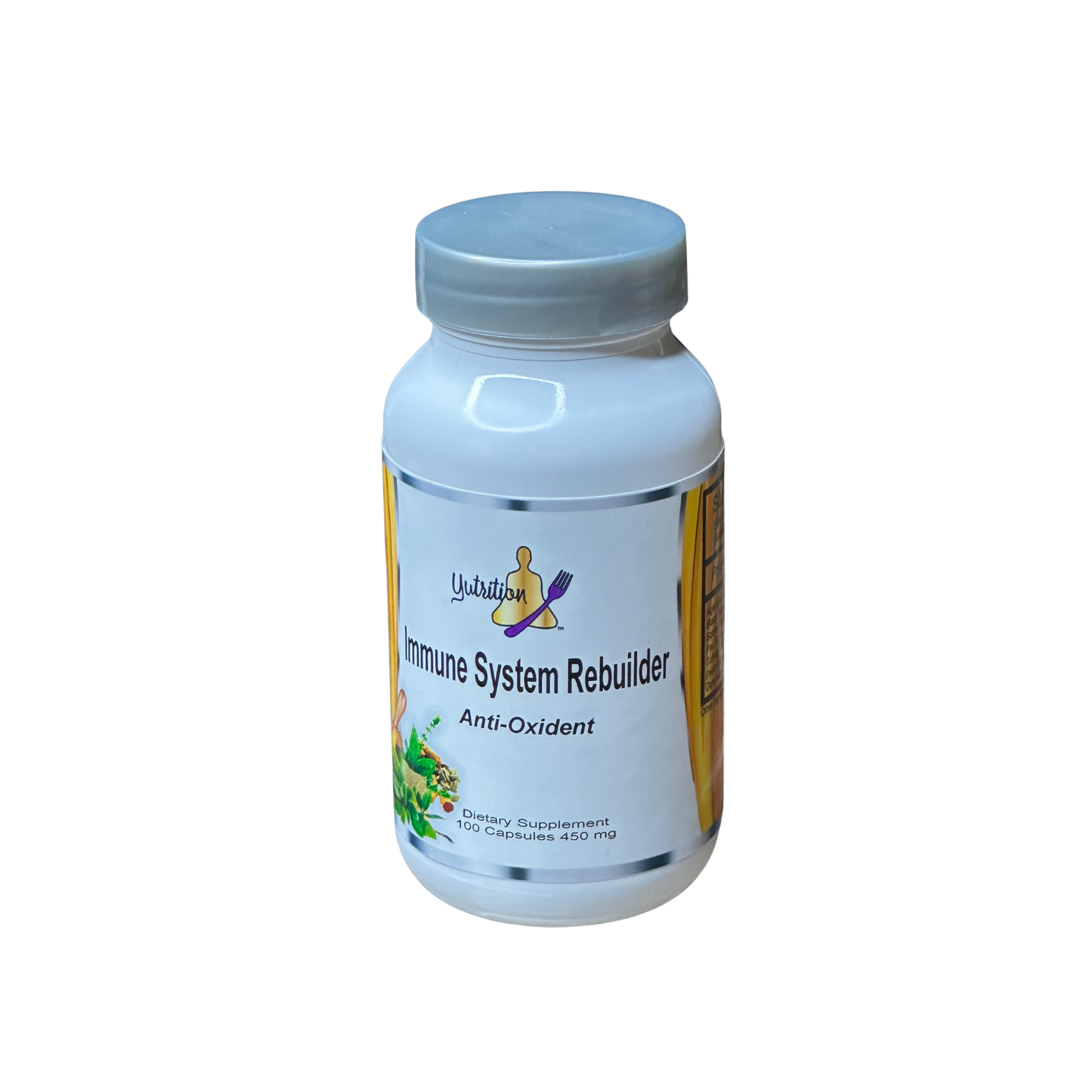
Immune System Rebuilder
Couldn't load pickup availability
Some Awesome Herbal Information!
Garlic: A Versatile Herb for Supporting Health and Wellness
-
Culinary and Herbal Use:
Garlic, a member of the allium family, is widely used as both a culinary spice and an herbal supplement. This group of plants, which includes onions and leeks, is valued for its phytochemicals, such as allicin and organosulfur compounds.* -
Immune System Support:
Garlic contains naturally occurring compounds that are studied for their role in supporting a healthy immune system. Its traditional use as part of wellness practices highlights its association with promoting overall health.* -
Antioxidant Properties:
Antioxidants in garlic helps to neutralize free radicals that may impact cell health. By reducing oxidative stress, garlic supports the maintenance of healthy cells and overall well-being.* -
Goldenseal: A Versatile Herb for Wellness
-
Historical Use:
- Goldenseal (Hydrastis canadensis), native to North America, has been used for generations by Native American communities and was later adopted by European settlers for its traditional applications.*
- The roots of goldenseal are processed into teas, extracts, capsules, or tablets and are often combined with echinacea in herbal formulations.*
-
Active Components:
- Goldenseal contains key alkaloids, including hydrastine, palmatine, canadine, and berberine.*
- Berberine, one of its primary constituents, has been studied for its antioxidant properties, which are known to support cellular health by helping neutralize free radicals.*
-
Modern Use:
- Goldenseal is valued in herbal practices for its role in supporting general wellness and maintaining healthy tissues.*
- The herb remains a popular choice for those seeking balanced, natural supplementation as part of their wellness routines.*
-
Echinacea Angustifolia:
- Native Origin: Echinacea, commonly known as coneflower, is a flowering plant native to the U.S. and Canada and is a member of the daisy family (Asteraceae).*
- Historical Use: This plant has a long-standing history of traditional use, with evidence suggesting that Native Americans used Echinacea for various purposes over 400 years ago.*
- Rich in Phenols: Echinacea contains phenols, natural compounds that help protect the plant and are recognized for their antioxidant properties. These antioxidants play a role in maintaining cellular health.*
- Bioactive Components: The plant also contains alkylamides, polysaccharides, glycoproteins, and caffeic acid derivatives, which are studied for their role in supporting immune system health.*
- Nutritional Profile: Echinacea is a natural source of essential oils, flavonoids, inulin, polysaccharides, and vitamin C—nutrients that are associated with promoting overall wellness and supporting the body’s natural defenses.*
Myrrh: A Timeless Resin for Supporting Wellness
-
Natural Source:
Myrrh is a sap-like resin derived from the bark of Commiphora trees, historically valued for its diverse applications. Known by names such as Gugul and Mukul, myrrh has been used and traded as a wellness commodity for thousands of years.* -
Active Compounds:
Myrrh contains two key classes of bioactive compounds: sesquiterpenes and terpenoids. These naturally occurring compounds are studied for their role in supporting the health of mucous membranes and promoting a balanced immune response.* -
Immune Support:
The antioxidants in myrrh are associated with maintaining a healthy immune system. Its antioxidant properties help protect cells from oxidative stress, supporting the body's natural defenses.* -
Cultural Significance:
Revered in ancient times, myrrh was considered a precious gift, symbolizing its enduring value in supporting health and well-being. Its historical importance underscores its continued use in herbal supplements today.*
The information provided above is for educational purposes only and does not pertain to the performance or intended use of any specific products featured on this website.
*These statements have not been evaluated by the Food and Drug Administration. This product is not intended to diagnose, treat, cure, or prevent any disease.
-